Original price was: $179.95.$94.75Current price is: $94.75.
AmpliHear Hearing Aid is a compact, user-friendly hearing solution designed to help you hear conversations more clearly and stay connected to the moments that matter. Engineered to amplify sound while reducing background noise, it supports improved clarity in everyday settings like conversations, TV viewing, and social gatherings. Lightweight and discreet, AmpliHear is comfortable to wear throughout the day and easy to adjust to your preferences. Ideal for individuals seeking a practical, non-complicated hearing aid option, AmpliHear delivers reliable performance, convenience, and confidence—making everyday listening more enjoyable and less stressful.
Description
Hearing changes rarely announce themselves all at once. More often, they show up in small moments—asking someone to repeat a sentence, turning the TV volume a little higher than before, missing the punchline of a joke, or feeling oddly tired after social gatherings because you’re working harder to follow conversations. For many adults, the most frustrating part is not simply “hearing less,” but feeling less connected: to family stories at the dinner table, to a grandchild’s soft voice, to coworkers in meetings, or to everyday sounds that make life feel full and familiar.
In home health and caregiving settings, we see how hearing challenges can quietly affect confidence and independence. People may withdraw from conversations to avoid embarrassment. They may stop attending community events they once enjoyed. Caregivers may notice misunderstandings that lead to frustration on both sides. And because hearing changes can be gradual, many individuals don’t seek support until the issue starts impacting daily life in a meaningful way.
That’s where modern hearing support devices like the AmpliHear Hearing Aid come into the picture. Today’s consumer-friendly hearing aids and hearing amplifiers are designed to be more accessible than ever—often smaller, easier to use, and less intimidating for first-time wearers. The goal isn’t to “fix” hearing in a medical sense (only a clinician can diagnose hearing loss and prescribe appropriate interventions), but to provide a practical tool that helps many people hear speech and everyday sounds more clearly.
A responsible note: if you experience sudden hearing loss, one-sided hearing changes, ear pain, drainage, ringing that worsens suddenly, dizziness, or persistent balance issues, it’s important to seek medical evaluation promptly. Hearing devices can be helpful for support, but they should never delay diagnosis of underlying issues. With that in mind, this research-style guide explores what AmpliHear is, how it works, key features, real-life benefits, how it compares to other options, safe usage guidance, pricing, and what to expect when ordering—so you can make a well-informed choice with realistic expectations.
What is AmpliHear Hearing Aid?
The AmpliHear Hearing Aid is a hearing support device designed to help users better perceive speech and everyday sounds in common listening environments—such as at home, during conversations, while watching television, or in moderately noisy settings. It’s typically marketed toward adults who notice mild to moderate hearing challenges and want a more convenient option than traditional clinic-based hearing aids.
Depending on the exact model and classification, devices like AmpliHear often fall into one of two categories:
- Hearing amplifiers (sometimes called personal sound amplification products): designed to amplify environmental sound and improve clarity in everyday situations.
- Hearing aids: devices intended to compensate for hearing loss, often with more advanced processing and feature sets.
Without manufacturer documentation in front of us, the safest, most responsible way to describe AmpliHear is as a consumer hearing support device intended to improve day-to-day listening comfort. It is not a substitute for an audiology evaluation, and it doesn’t “cure” hearing loss. However, for many people, improved listening support can lead to meaningful quality-of-life improvements—less strain, more confidence, and greater participation in conversations.
The appeal of AmpliHear-style devices often comes down to practicality. Many adults delay hearing support because they assume it will be expensive, complicated, or embarrassing. But modern consumer devices aim to remove those barriers by offering:
- Straightforward setup and controls
- Comfortable, low-profile designs
- Adjustable listening modes or volume levels
- Rechargeable options or easy battery management
- Access without lengthy clinic visits (for those who prefer that path)
Still, it’s important to set expectations: if a person has significant hearing loss, substantial background-noise difficulty, or a medical condition affecting hearing, professional fitting and evaluation may provide the best results. For others, a consumer device can be a strong first step—especially when the priority is immediate, practical support for everyday listening.
How Does AmpliHear Hearing Aid Work?
Hearing support devices like AmpliHear generally work by capturing sound through a microphone, processing that sound, and delivering an amplified, adjusted signal into the ear. The goal is not simply “louder,” but clearer—especially for speech, which often becomes difficult to understand as hearing changes with age or noise exposure.
Most devices follow a similar pathway:
- Microphone captures sound from the environment (voices, TV audio, household noise).
- Sound processing system adjusts the incoming sound. Depending on the model, this may include noise reduction, frequency emphasis, or filtering designed to make speech easier to hear.
- Speaker (receiver) delivers the sound into the ear canal at a controlled level.
For many people, the most noticeable benefit is speech clarity. In mild to moderate hearing changes, higher frequencies—like consonants—often become harder to perceive. This can make speech sound muffled, even when it’s technically “loud enough.” Hearing devices may help by enhancing speech-relevant frequencies and reducing the dominance of background noise.
That said, real-world listening is complex. No device completely eliminates background noise, and “perfect hearing” is not a realistic promise. Instead, responsible hearing support focuses on practical improvements:
- Better ability to follow conversations in quiet or moderately noisy settings
- Less listening fatigue (the mental effort of straining to hear)
- Improved awareness of everyday environmental sounds
- Better comfort when watching TV or speaking on the phone (varies by user)
A helpful note for first-time users: the brain needs time to adapt. If you haven’t heard certain everyday sounds clearly in a while—footsteps, rustling paper, clinking dishes—those may seem unusually loud at first. This is normal, and gradual adjustment helps many people adapt comfortably.
If hearing difficulty is sudden, one-sided, painful, or accompanied by vertigo or neurological symptoms, seek medical care promptly. Devices can support hearing, but they are not a diagnostic tool.
AmpliHear Hearing Aid Features
AmpliHear is designed to be a practical hearing support solution, and its features typically focus on everyday usability, comfort, and sound adjustment. While exact features can vary by package, the most valuable hearing-aid features tend to fall into a few core categories that directly impact real-world experience.
Comfortable, Low-Profile Fit
A hearing device only helps if you actually wear it. Comfort is one of the biggest deciding factors for consistent use. AmpliHear-style devices are often designed to sit securely in or behind the ear and remain stable during daily activities like walking, cooking, and light household tasks.
Adjustable Volume and Listening Control
Most users need flexibility because listening environments change. A quiet living room is different from a family gathering or a restaurant. Adjustable volume helps users find their “sweet spot” without feeling overwhelmed.
Noise Management Support
Many modern consumer hearing devices include some form of noise reduction or filtering. This doesn’t remove all background noise, but it may help reduce constant low-level sounds so voices feel easier to follow. The effectiveness of noise management varies by device and by environment.
Speech-Friendly Sound Tuning
Speech clarity is often the main goal. Devices may emphasize frequencies that support consonant recognition, helping speech sound less muffled. This is especially important for adults who can “hear” that someone is talking but struggle to understand what is being said.
Feedback Reduction
Whistling feedback can be one of the biggest frustrations in hearing devices. Many models include feedback control to reduce squealing sounds when the device shifts, when hands are near the ear, or when wearing masks/hats.
Rechargeable Convenience (if applicable)
If the AmpliHear model is rechargeable, that’s a meaningful advantage for many older adults and caregivers. Rechargeable devices reduce the need for frequent battery changes and make daily routines simpler. If the model uses replaceable batteries, the tradeoff is that the device may be lighter and more travel-friendly for some users.
Everyday Durability
A good hearing device should handle normal daily use, including minor bumps, routine handling, and typical indoor/outdoor transitions. While not “waterproof,” many devices are designed to tolerate everyday wear when properly cared for.
Simple Setup for First-Time Users
Many people avoid hearing aids because they fear complexity. Consumer devices often emphasize a straightforward setup process—turn on, adjust fit, select a comfortable volume, and start adapting gradually.
Overall, AmpliHear’s feature promise is about making hearing support feel approachable: a device designed for real life, not just clinical settings.
Benefits of AmpliHear Hearing Aid
- Helps improve conversation clarity in quiet and moderately noisy settings
- Supports better TV listening at more comfortable household volume levels
- May reduce listening fatigue during social interactions
- Encourages more confident participation in family gatherings and conversations
- Improves awareness of everyday sounds (doorbell, microwave timer, footsteps)
- Offers adjustable volume for different environments and preferences
- Can serve as an accessible first step for adults exploring hearing support
- Supports communication between caregivers and loved ones by reducing misunderstandings
- May help users feel safer and more aware in the home by improving sound detection
- Helps some users feel less isolated by making conversation easier to follow
Disclaimer: Results vary by individual hearing profile and environment. Persistent or sudden hearing changes should be evaluated by a healthcare professional.
AmpliHear Hearing Aid vs. Other Brands
When comparing AmpliHear to other hearing support options, it helps to focus on your priorities: convenience, customization, price, professional fitting, and the types of environments you’re most often in.
Compared to Premium Clinic-Fitted Hearing Aids
Clinic-fitted hearing aids are customized based on a hearing test and often provide advanced sound processing for complex environments. They can be excellent for people with moderate-to-severe hearing loss or significant difficulty in noisy spaces. The tradeoff is cost and the need for appointments. AmpliHear is often positioned as a more accessible alternative—especially for users who want a simpler starting point.
Compared to Budget Amplifiers
Lower-cost amplifiers may amplify sound but offer limited tuning and more feedback. If AmpliHear includes noise management and feedback reduction, it may feel more comfortable than basic amplifiers. The key difference often comes down to how “natural” sound feels and how manageable background noise is.
Compared to OTC Hearing Aids
Over-the-counter hearing aids have expanded options for adults with perceived mild to moderate hearing loss. These products vary widely in quality, app controls, and support. AmpliHear may appeal to users who want simpler controls without relying heavily on smartphone apps.
Compared to App-Based Smart Hearing Devices
Some brands emphasize Bluetooth streaming and app-based personalization. Those can be great for tech-comfortable users. Others prefer a straightforward device with simple physical controls. AmpliHear tends to appeal to the second group.
Choosing the “best” brand is really about fit: your comfort with technology, your hearing goals, and whether you want professional guidance or a simpler independent option.
How to Use AmpliHear Hearing Aid
Start by reading the included instructions so you understand charging or battery setup, volume adjustments, and how the device should sit in the ear. Proper fit matters—both for comfort and for sound quality. Insert or place the device as directed and confirm it feels secure without pressure.
When first wearing a hearing device, begin in a quiet environment. Let your brain adjust to hearing everyday sounds more clearly. Keep volume at a moderate level and increase slowly if needed. Wearing the device for short periods initially—such as 1–2 hours—can help new users adapt comfortably.
As you gain comfort, use the device during everyday activities: watching TV, talking with a family member, or walking around the home. Notice whether voices feel clearer and whether background sounds feel balanced. Adjust volume gently rather than jumping to maximum levels, which can feel overwhelming and may reduce clarity.
Clean the device routinely, keep it dry, and store it properly when not in use. If you experience discomfort, ear irritation, or sudden changes in hearing, stop use and consult a clinician. Hearing devices support listening, but they do not replace medical evaluation—especially when symptoms are persistent or sudden.
Pros and Cons of AmpliHear Hearing Aid?
AmpliHear’s main advantage is accessibility. For adults who want hearing support without the barriers of high-cost, clinic-based solutions, it offers a practical option that may improve everyday listening comfort. Many users appreciate devices that are easy to set up, comfortable to wear, and adjustable enough to work across common home environments.
Another benefit is the potential improvement in quality of life. When hearing support is effective, people often feel less isolated and more engaged. Conversations become less tiring. Family interactions feel easier. Even small improvements—like hearing the doorbell more clearly—can enhance independence at home.
The limitations are also important to consider. No consumer hearing device is perfect for everyone. People with significant hearing loss, severe background-noise difficulty, or complex hearing profiles may benefit more from audiology-fitted hearing aids. Some users may need time to adapt, and sound can initially feel “too sharp” or unfamiliar.
Additionally, if a person has medical red flags—sudden hearing loss, ear pain, persistent ringing, dizziness—professional care is essential. A hearing device should never delay evaluation.
In short, AmpliHear can be a helpful, approachable tool—especially as a first step—but it’s best used with realistic expectations and a willingness to adjust gradually.
How to order AmpliHear Hearing Aid?
Ordering AmpliHear is typically done through the product’s official website or authorized sales page. Buying directly helps ensure you receive an authentic unit, access customer support, and qualify for the stated money-back guarantee (when applicable). Third-party listings can sometimes carry risks such as unclear storage conditions, missing parts, or limited support.
The ordering process usually includes selecting quantity, confirming pricing, entering shipping details, and completing payment. Before finalizing, review the return policy and guarantee timeframe so you understand how to request a refund if the device isn’t a good match.
If you’re ordering for a household, consider whether you want a backup unit or a second device for a spouse. Many users find it helpful to keep a consistent routine—especially if the hearing device becomes part of daily living.
Once your order arrives, keep packaging and confirmation details. These make returns easier if needed and help you access support quickly for setup questions.
AmpliHear Hearing Aid Included
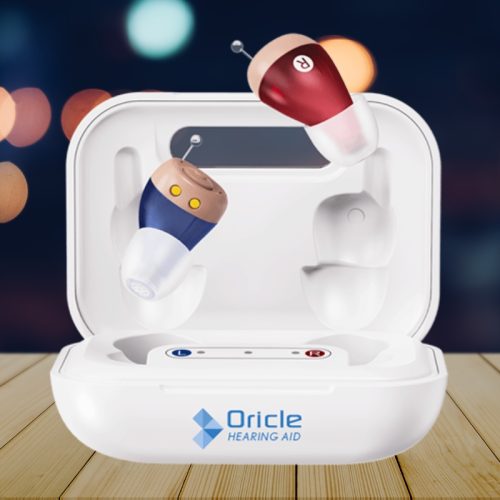
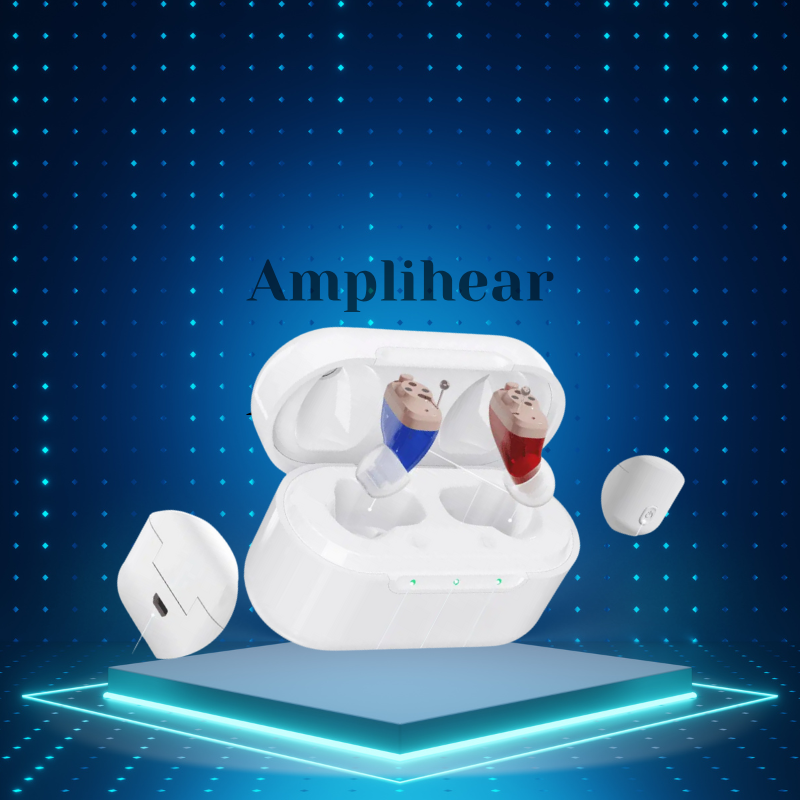
What’s included with AmpliHear typically depends on the package, but most hearing devices in this category include the main device(s), charging equipment or batteries (depending on the model), and basic usage instructions.
You may also receive:
- A charging case or charging cable (if rechargeable)
- Multiple ear tips or fittings to help achieve comfortable placement
- A cleaning tool or brush for maintenance
- Quick-start guide or printed instructions
- Customer support information
For best results, take time to test different ear tips (if included). Proper fit helps reduce feedback and improves comfort. Caregivers can assist by helping a loved one practice insertion, cleaning, and storage habits.
A hearing device is most successful when it becomes a routine tool—kept in a consistent place, cleaned regularly, and used in the environments where it matters most.
AmpliHear Hearing Aid Pricing and Money-Back Guarantee
Based on the pricing you provided, AmpliHear Hearing Aid is currently offered at a discounted price:
- US$94.75 (discounted from US$179.95)
For many buyers, this price point is appealing because it lowers the barrier to trying hearing support. Hearing devices can be life-improving, but cost often delays action. A reduced price can help individuals test whether a device improves daily communication and comfort without committing to premium clinic-fitted pricing.
A money-back guarantee (when offered) can be especially valuable for first-time users because hearing support is personal. Comfort, clarity, and usability vary across individuals. A guarantee creates room to evaluate the device in your real life: at home, with family, while watching TV, and during everyday conversations.
Pricing disclaimer: Always check the official website for the most current pricing, promotions, and guarantee terms, as pricing and availability may change at any time.
Conclusion for AmpliHear Hearing Aid
Hearing is more than sound—it’s connection. It’s being able to follow conversations without strain, enjoy the small moments that bring joy, and feel confident interacting with the people around you. When hearing becomes challenging, many adults don’t just lose volume—they lose comfort, confidence, and ease in daily life. That’s why a practical hearing support tool like AmpliHear Hearing Aid can be meaningful for the right person.
AmpliHear is designed to offer approachable, everyday hearing support without unnecessary complexity. For adults who notice mild to moderate difficulty hearing speech clearly, it may provide a helpful step toward better communication. The potential benefits—clearer conversations, less listening fatigue, better TV comfort, and improved awareness of household sounds—can make a real difference in daily routine and independence.
The most responsible approach is to use hearing support with realistic expectations and attention to health signals. Hearing devices do not replace audiology care, and sudden or severe symptoms should always be evaluated professionally. But for many people, starting with a consumer-friendly device is the momentum they need to stop “getting by” and start feeling more engaged again.
If you’ve been delaying hearing support, consider what you want most: more confidence in conversations, less frustration, and a calmer, more connected daily experience. If those goals resonate, AmpliHear may be a sensible next step—especially with a discounted price and money-back guarantee that allows you to try it thoughtfully.
AmpliHear Hearing Aid FAQs
- Is AmpliHear a replacement for an audiologist visit?
No. It can support hearing, but diagnosis and treatment decisions should involve a professional. - Who is AmpliHear best for?
Adults with mild to moderate perceived hearing difficulty who want a convenient hearing support option. - Can it help with hearing TV more clearly?
Many users use hearing aids for TV clarity, but results vary by environment and hearing profile. - Does it work in noisy environments?
It may help, but no device eliminates noise completely. Complex noise settings may still be challenging. - How long does it take to adjust to hearing aids?
Many people adapt over days to weeks as the brain gets used to hearing more detail. - Can I wear it all day?
Many users do, but start gradually and adjust for comfort. - Does it whistle or create feedback?
Some devices include feedback reduction, but fit and placement are key to minimizing whistling. - Is it rechargeable?
This depends on the model. Check your packaging and instructions. - What if it feels uncomfortable?
Try different ear tips (if included) and consult support. If discomfort persists, stop use and seek guidance. - Where should I buy AmpliHear?
The official website is typically recommended for authenticity, support, and guarantee eligibility.