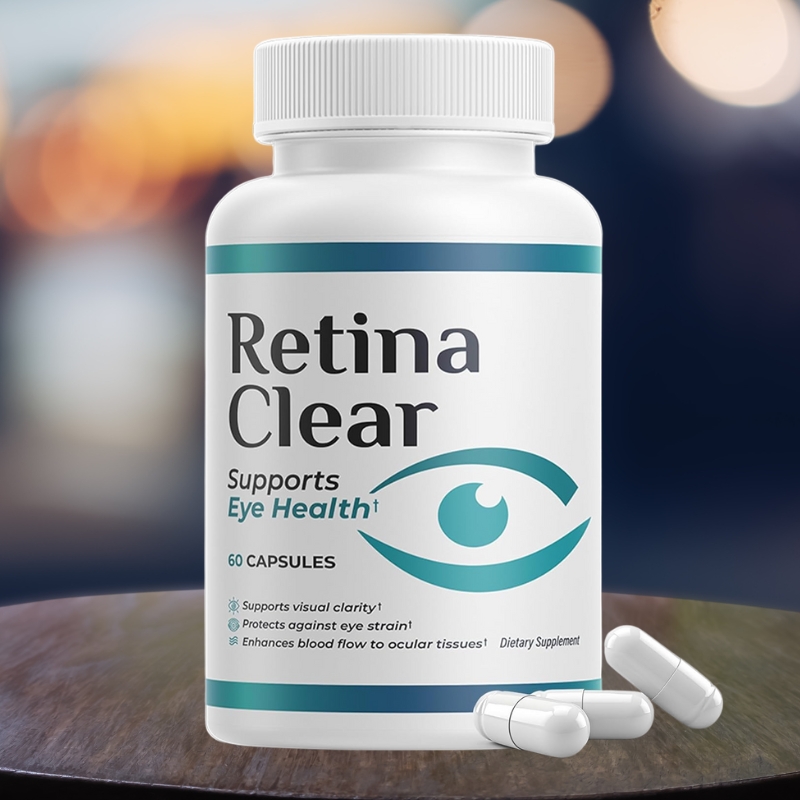
$18.99
RetinaClear is a daily vision-support supplement crafted for adults who want to nourish their eyes in today’s screen-heavy world. This convenient capsule formula combines macula-focused carotenoids like lutein and zeaxanthin with antioxidant vitamins, key minerals (including zinc and selenium), and botanical extracts such as bilberry and grape seed to help support visual comfort, clarity, and overall eye wellness. Ideal for anyone experiencing digital eye fatigue or looking to support healthy aging, RetinaClear fits easily into your routine with a simple twice-daily serving. Results vary, and it’s not intended to diagnose, treat, cure, or prevent any disease.
Description
Vision health has become an increasingly prominent concern as modern lifestyles place unprecedented demands on the eyes. Extended screen exposure, artificial lighting, environmental stressors, and aging all contribute to visual strain and gradual changes in how the eyes perform over time. While prescription eyewear and medical interventions remain essential for diagnosing and treating eye conditions, many adults are now exploring nutritional strategies to support long-term eye wellness alongside professional care.
RetinaClear is one such dietary supplement positioned within the growing category of vision support formulas. Rather than presenting itself as a medical treatment, RetinaClear is marketed as a nutritional product designed to complement healthy habits by supplying vitamins, minerals, and plant-derived compounds commonly discussed in eye health research. Interest in products like RetinaClear reflects a broader shift toward preventive wellness, where individuals seek to support normal biological functions before problems escalate.
Scientific literature suggests that nutrients such as carotenoids, antioxidants, and trace minerals play structural and protective roles in ocular tissues. Ingredients like lutein and zeaxanthin are naturally concentrated in the retina, while minerals like zinc and vitamins such as vitamin A are required for normal visual physiology. Botanical compounds including bilberry extract and flavonoids have also been studied for their antioxidant and microcirculatory properties.
That said, responsible evaluation is critical. Supplements are not medications, and no over-the-counter product can replace comprehensive eye exams, corrective lenses, or physician-directed treatment. Outcomes from supplementation vary widely depending on genetics, baseline nutrition, lifestyle, and consistency of use. This article takes an evidence-informed approach, examining RetinaClear’s formulation, intended audience, ingredient science, and realistic expectations—without overstating results or making disease-related claims.
The goal of this research-style review is to help readers understand how RetinaClear fits into the broader context of eye health support in 2026, what the science behind its ingredients actually suggests, and how to approach supplementation responsibly.
Product Overview
Product Name: RetinaClear
Product Type: Dietary supplement for vision support
Formulation: Multi-ingredient capsule formula combining carotenoids, vitamins, minerals, amino acids, and botanical extracts
Key Ingredients:
- Lutein
- Zeaxanthin
- Bilberry extract
- Quercetin
- Vitamin A
- Vitamin C
- Vitamin E
- B-complex vitamins
- Zinc
- Copper
- Selenium
- Taurine
- Eyebright
- Alpha-lipoic acid
- Grape seed extract
- Lycopene
Bottle Contents: Capsules (exact count varies by package)
Suggested Use: One capsule twice daily with water, or as directed by a healthcare professional
Manufacturing Standards: Produced in an FDA-registered, GMP-certified facility in the United States (per brand disclosures)
Guarantee: 60-day money-back guarantee (terms vary by seller)
Cost: Advertised pricing often starts around $18.99 per bottle, depending on promotions and bundles
Pricing disclaimer: Always verify current prices, bundle offers, and refund terms on the official RetinaClear website, as pricing and guarantees may change at any time.
What Is RetinaClear?
RetinaClear is a nutritional supplement formulated to support general eye health through dietary ingredients that are discussed in scientific research related to visual function. It is designed for adults who want to complement their daily nutrition with compounds involved in antioxidant protection, macular pigment maintenance, and normal retinal metabolism.
Unlike prescription therapies or clinically tested medical formulations such as AREDS or AREDS2, RetinaClear is not intended to diagnose, treat, cure, or prevent any eye disease. Instead, it falls into the category of wellness supplements that aim to support normal physiological processes already present in the body. This distinction is important for setting appropriate expectations and remaining compliant with regulatory standards.
The formula brings together carotenoids (lutein and zeaxanthin), which are naturally found in the macula, along with vitamins and minerals that contribute to normal vision and cellular protection. Botanical extracts like bilberry and grape seed are included for their antioxidant properties, while compounds such as taurine and alpha-lipoic acid play roles in cellular metabolism.
RetinaClear is taken orally in capsule form, making it easy to integrate into an existing supplement routine. Because several of its key nutrients are fat-soluble, taking it with meals that contain dietary fat may support absorption—though individual responses vary.
It’s important to emphasize that RetinaClear has not been evaluated in large-scale clinical trials as a finished product. Any discussion of effectiveness is therefore based on ingredient-level research rather than outcomes measured specifically for this supplement. For consumers, this means RetinaClear should be viewed as a supportive nutritional option rather than a guaranteed solution for vision changes.
Anyone experiencing sudden vision loss, persistent eye discomfort, or diagnosed eye conditions should seek medical evaluation before considering supplementation.
Who Is RetinaClear Specifically For?
RetinaClear may appeal to adults who are proactively thinking about eye wellness, particularly in environments that place ongoing stress on visual performance. Individuals who spend long hours in front of digital screens—whether for work, education, or entertainment—often report eye fatigue, dryness, or difficulty focusing after extended use. Nutrients such as lutein, zeaxanthin, and bilberry are frequently studied in relation to visual comfort and antioxidant defense, which may be of interest to this group.
The supplement may also attract adults over 40 who are more conscious of age-related changes in visual clarity or night vision. Ingredients like vitamin A and zinc are essential for normal low-light vision and retinal function, making them relevant to those who want to maintain nutritional adequacy as part of healthy aging. However, RetinaClear is not positioned as an alternative to clinically validated AREDS-based supplementation for individuals at high risk of macular degeneration.
People who prefer plant-based antioxidants may also find RetinaClear’s formulation appealing. Botanical compounds such as bilberry extract, quercetin, grape seed extract, and eyebright have a long history of use in nutritional products and are widely researched for their antioxidant activity.
On the other hand, RetinaClear may not be appropriate for everyone. Individuals with diagnosed eye diseases, those taking medications that may interact with supplements, pregnant or nursing women, and anyone with underlying medical conditions should consult a healthcare professional before use. Supplements are best viewed as complementary tools, not substitutes for medical care or corrective devices.
Does RetinaClear Work?
Whether RetinaClear “works” depends largely on how one defines success and what expectations are set from the outset. From a scientific standpoint, the supplement’s ingredients are involved in biological pathways related to eye structure, antioxidant protection, and nutrient metabolism. Research supports the role of certain nutrients—such as lutein, zeaxanthin, vitamin A, and zinc—in maintaining normal visual function.
However, it is critical to distinguish between supporting normal physiology and producing therapeutic outcomes. RetinaClear has not been shown to reverse vision loss, eliminate the need for glasses, or treat eye diseases. Any perceived benefits are subjective and may take weeks or months to evaluate, as nutritional changes tend to work gradually.
Supplement effectiveness also depends on baseline diet, overall health, lifestyle habits, and consistency of use. For example, someone with low dietary intake of carotenoids may notice more change than someone who already consumes a nutrient-rich diet. Likewise, individuals who combine supplementation with healthy habits—such as taking screen breaks, managing blood sugar, wearing UV protection, and avoiding smoking—are more likely to support overall eye wellness.
In short, RetinaClear may help fill nutritional gaps related to eye health, but it should not be viewed as a quick fix or medical solution. Realistic expectations and professional guidance are essential.
What Are the Ingredients in RetinaClear?
RetinaClear’s formulation includes a combination of carotenoids, vitamins, minerals, amino acids, and botanical extracts. Each ingredient has been studied individually in relation to eye health or oxidative stress. The sections below explain these ingredients in more detail; all research references apply to the ingredients themselves, not to RetinaClear as a finished product.
RetinaClear Real Customer Reviews and Testimonials
Online feedback about RetinaClear generally reflects mixed but measured experiences, which is typical for nutritional supplements. Many users describe subtle, gradual changes rather than dramatic transformations. Common themes include improved comfort during long screen sessions, less perceived eye fatigue, and a general sense of supporting eye health as part of a broader wellness routine.
Some customers note that they chose RetinaClear because of its inclusion of well-known nutrients like lutein, zeaxanthin, zinc, and vitamin A, which they had previously encountered in eye health research. Others appreciate the plant-based antioxidants such as bilberry and grape seed extract, viewing the formula as a convenient way to consolidate multiple nutrients into one supplement.
Importantly, testimonials should be interpreted cautiously. Individual experiences are anecdotal and influenced by factors such as diet, age, baseline eye health, consistency of use, and expectations. Reports of dramatic vision restoration or instant results should not be considered typical outcomes. RetinaClear has not been clinically tested as a finished product, and user reviews do not replace controlled research or professional medical advice.What Are the Ingredients in RetinaClear?
Lutein
Lutein is a carotenoid that naturally accumulates in the macula, the central region of the retina responsible for detailed vision. It functions as a blue-light filter and antioxidant, helping absorb high-energy light before it reaches sensitive photoreceptor cells. Dietary lutein intake has been associated with increased macular pigment optical density, which is considered a marker of macular health. Lutein is obtained from foods like leafy greens but is often underconsumed, making supplementation appealing for some individuals.
Zeaxanthin
Zeaxanthin works alongside lutein in the macula and retina. Although present in smaller amounts, it plays a complementary role in filtering blue light and supporting antioxidant defense. Research has shown that zeaxanthin is particularly concentrated in the central macula, where visual acuity demand is highest. Adequate intake is linked to maintaining macular pigment levels, though results vary by individual.
Bilberry Extract
Bilberry contains anthocyanins—pigmented flavonoids studied for their antioxidant and microcirculatory properties. Historically associated with visual function, bilberry extract has been researched for its potential role in supporting visual comfort, especially under conditions of eye strain. Laboratory and small clinical studies suggest bilberry anthocyanins may help counter oxidative stress in retinal tissues.
Quercetin
Quercetin is a plant flavonoid found in fruits and vegetables. It is studied for antioxidant and anti-inflammatory properties and has been explored in preclinical eye research related to oxidative stress and cellular aging. While promising, quercetin’s effects in humans remain an area of ongoing research, and its oral bioavailability can vary.
Vitamin A
Vitamin A is essential for normal vision, particularly in low-light conditions. It is required for the synthesis of rhodopsin, a photopigment in rod cells. Adequate vitamin A intake supports the health of the cornea and conjunctiva. Excessive intake, however, can be harmful, highlighting the importance of balanced dosing.
Zinc
Zinc is a trace mineral concentrated in ocular tissues. It plays a role in transporting vitamin A to the retina and contributes to antioxidant enzyme activity. Zinc has been extensively studied in relation to eye health, particularly in AREDS formulations, though high doses should be taken under medical guidance.
(Additional ingredients such as vitamin C, vitamin E, B vitamins, copper, selenium, taurine, eyebright, alpha-lipoic acid, grape seed extract, and lycopene contribute antioxidant and metabolic support but are not intended to treat disease.)
RetinaClear Science
The scientific foundation behind RetinaClear lies in ingredient-level research rather than clinical trials of the finished product. Carotenoids like lutein and zeaxanthin have been extensively studied in the AREDS and AREDS2 trials, which demonstrated their role in supporting macular pigment and reducing progression risk in specific at-risk populations when used in defined formulations.
Antioxidants such as vitamins C and E, along with zinc and copper, have long been recognized for their roles in protecting cells from oxidative stress. Botanical compounds like bilberry and grape seed extract have been explored in laboratory and small human studies for their antioxidant and circulatory effects, particularly in contexts of eye fatigue.
It is critical to understand that these findings do not directly translate to guaranteed outcomes from RetinaClear. Differences in dosage, formulation, absorption, and individual biology all influence results. RetinaClear is not formulated or tested as an AREDS or AREDS2 replacement and should not be interpreted as such.
RetinaClear Benefits
Nutritional Support for Eye Health
RetinaClear provides nutrients involved in maintaining normal visual physiology. By supplying carotenoids, vitamins, and minerals commonly associated with eye health, it may help address dietary gaps in individuals with limited intake from food alone.
Antioxidant Defense
Many ingredients in RetinaClear function as antioxidants, helping neutralize free radicals generated by light exposure and metabolic activity. Antioxidant support is considered one aspect of maintaining cellular integrity over time.
Support During Digital Eye Strain
People who spend extended time using screens may be interested in nutrients studied for visual comfort. While supplements cannot eliminate digital eye strain, some individuals report subjective improvements when combining nutritional support with ergonomic habits.
Aging-Related Eye Wellness
As nutrient absorption and dietary patterns change with age, supplementation may help maintain adequate intake of vitamins and minerals involved in normal vision. This benefit is supportive, not therapeutic.
RetinaClear: Pros and Cons
Pros
- Includes ingredients widely researched for eye health
- Combines multiple nutrients into one formula
- Manufactured in a GMP-certified facility
- Non-prescription and easy to integrate into daily routines
- Money-back guarantee reduces purchase risk
Cons
- Not clinically tested as a finished product
- Marketing language may overstate outcomes
- Not a substitute for AREDS-based therapy when medically indicated
- Results are subjective and not guaranteed
- Requires consistent, long-term use
What Is the Price of RetinaClear?
RetinaClear is often advertised at approximately $18.99 per bottle, with discounts available for multi-bottle bundles. Pricing varies by promotion, funnel, and time of purchase.
Pricing Notes:
- Single and multi-bottle options may be available
- Bundle pricing typically reduces per-bottle cost
- Shipping and taxes may vary
Pricing Disclaimer: Always check the official RetinaClear website for current pricing, discounts, and guarantee terms, as prices are subject to change at any time.
More RetinaClear Actual User Reviews and Testimonials
Additional customer feedback often emphasizes realistic expectations. Many users report that they did not experience dramatic changes but felt more confident supporting their eye health nutritionally. Others mention choosing RetinaClear as part of a broader wellness strategy that includes diet improvements and regular eye exams.
As with all supplements, individual experiences differ. Testimonials should not be interpreted as proof of effectiveness or predictive of results.
Are There Side Effects to RetinaClear?
Most ingredients in RetinaClear are commonly used in dietary supplements and are generally well tolerated when taken as directed. However, potential considerations include mild digestive discomfort, headache, or sensitivity reactions in some individuals.
High intakes of vitamin A or zinc may pose risks if combined with other supplements or certain medical conditions. Individuals who are pregnant, nursing, taking medications, or managing chronic conditions should consult a healthcare provider before use.
Who Makes RetinaClear?
According to brand disclosures, RetinaClear is produced by a supplement company that outsources manufacturing to FDA-registered, GMP-certified facilities in the United States. The brand positions itself within the wellness supplement market rather than pharmaceutical development.
Specific details about ownership and formulation teams are limited, which is common in direct-to-consumer supplement brands. Consumers should evaluate the product based on ingredient transparency, manufacturing standards, and refund policies.
Does RetinaClear Really Work?
Supplements tend to be most effective when combined with supportive lifestyle choices such as balanced nutrition, regular physical activity, adequate sleep, and routine medical care. RetinaClear may help support eye health as part of such a lifestyle, but it is not a standalone solution.
Consistency over time is critical, and outcomes—if any—are gradual. Supplements should complement, not replace, professional eye care.
Is RetinaClear a Scam?
RetinaClear does not meet typical indicators of a scam, such as hidden billing or undisclosed ingredients. However, some marketing claims may exceed what science can substantiate. Consumers should rely on ingredient evidence rather than promotional language and use the money-back guarantee to reduce risk.
Is RetinaClear FDA Approved?
Dietary supplements are not FDA approved in the same way medications are. RetinaClear is regulated as a dietary supplement, meaning it must comply with manufacturing and labeling standards but is not evaluated by the FDA for effectiveness.
Where to Buy RetinaClear?
RetinaClear is primarily sold online through its official website and affiliated sellers. Purchasing directly from the official source helps ensure product authenticity and eligibility for guarantees.
Is RetinaClear Really on Amazon, eBay, and Walmart?
RetinaClear on Amazon
RetinaClear is not officially sold on Amazon. The brand limits distribution to maintain quality control and product integrity. The official website remains the authorized source.
RetinaClear on eBay
RetinaClear is not authorized for sale on eBay. Third-party listings may pose risks related to storage, handling, or authenticity.
RetinaClear on Walmart
RetinaClear is not available through Walmart stores or Walmart.com. Direct sales allow the brand to manage handling standards and customer support.
Conclusion: Final Thoughts on RetinaClear
RetinaClear represents a nutritionally focused approach to eye wellness, built around ingredients that appear frequently in eye health research. While it is not a cure, treatment, or replacement for medical care, it may appeal to adults interested in supporting their vision through diet and supplementation.
The most responsible approach is to combine realistic expectations, professional guidance, and healthy lifestyle habits. RetinaClear may serve as one supportive tool—but not a standalone answer—for maintaining eye health in 2026.
RetinaClear FAQs
1. Is RetinaClear a medication?
No. It is a dietary supplement.
2. Can it replace glasses or contacts?
No.
3. How long before results may be noticed?
Weeks to months, if any effects are noticed.
4. Is it safe for daily use?
Generally, when used as directed, but consult a healthcare provider.
5. Can I take it with other supplements?
Check total nutrient intake to avoid excess.
6. Does it cure eye diseases?
No.
7. Is it suitable for seniors?
Many seniors use similar nutrients, but medical advice is recommended.
8. Does it work for night vision?
Vitamin A and zinc support normal night vision, but results vary.
9. Is there a refund policy?
Typically a 60-day guarantee—verify before purchase.
10. Where should I buy it?
The official website is the recommended source.
Related products
-
Sale!
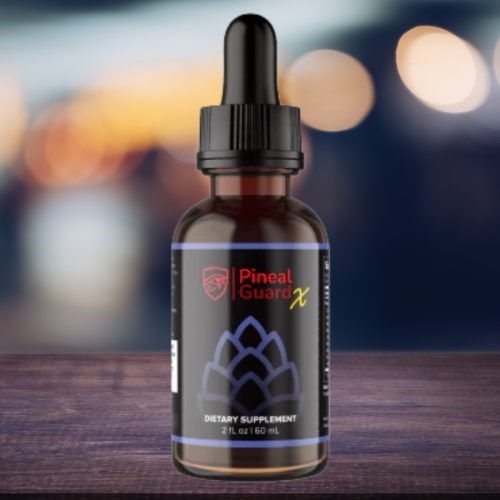
Pineal Guard X
Original price was: $99.00.$45.00Current price is: $45.00. Buy From This Official Website -
Sale!
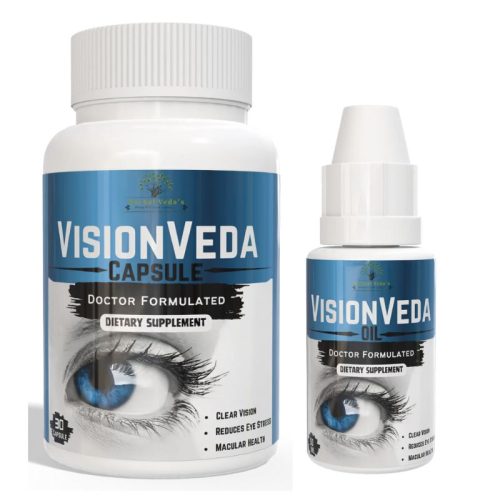
Vision Veda
Original price was: $34.87.$17.42Current price is: $17.42. Buy From The Official Website -
Sale!
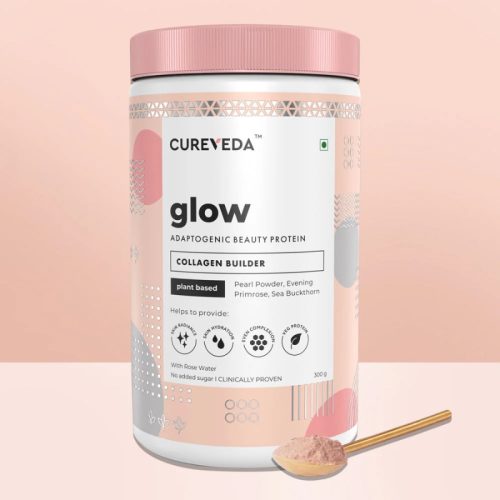
Cureveda GLOW
Original price was: $19.50.$16.00Current price is: $16.00. Buy From The Official Website -
Sale!
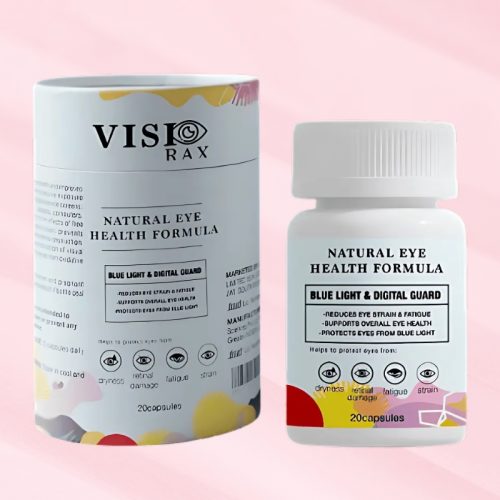
Visiorax
Original price was: $57.91.$28.95Current price is: $28.95. Buy From This Official Website